

Driving sales through your ecommerce site can feel like a puzzle when slow page load times and confusing navigation stand in the way. Website performance issues not only frustrate potential customers but also hold back your conversion goals. By focusing on key metrics such as Load Time, Page Size, and Response Time, you gain a clear blueprint for uncovering hidden bottlenecks and crafting targeted improvements that boost engagement and revenue.
Table of Contents
- Step 1: Assess Current Website Performance
- Step 2: Upgrade Site Design and Loading Speed
- Step 3: Implement Targeted Conversion Elements
- Step 4: Integrate Klaviyo Automated Email Flows
- Step 5: Test and Analyze Optimization Results
Quick Summary
| Key Point | Explanation |
|---|---|
| 1. Assess Website Performance | Evaluate key metrics like load time and user navigation to identify areas for improvement. |
| 2. Optimize Site Design and Speed | Implement strategies like image compression and responsive design to enhance loading speeds and user retention. |
| 3. Implement Conversion Elements | Use social proof and clear CTAs to guide visitors towards making purchases effectively. |
| 4. Utilize Automated Email Flows | Set up personalized email sequences for customer engagement, such as abandoned cart reminders and welcome series. |
| 5. Test and Analyze Outcomes | Regularly monitor performance through A/B testing to refine strategies and improve conversion rates. |
Step 1: Assess Current Website Performance
Optimizing your ecommerce website begins with a comprehensive performance evaluation to identify areas for potential improvement. By systematically analyzing key metrics, you can uncover conversion bottlenecks and develop targeted strategies to enhance user experience and revenue generation.
To effectively assess your website’s performance, start by collecting data through several critical evaluation methods. Performance metrics from systematic research reveal essential indicators that directly impact conversion rates:
- Website Load Time: Measure how quickly pages render
- Page Size: Analyze total content download requirements
- Response Time: Track server interaction speed
- Site Traffic Analysis: Review overall visitor engagement
- User Navigation Patterns: Understand customer interaction flows
Utilizing web analytics tools like Google Analytics will help you quantify these performance dimensions. Focus on key performance indicators that demonstrate user experience quality and potential revenue impact. Empirical performance measurement models suggest examining metrics such as bounce rate, average session duration, and conversion funnel progression.
Here is a summary table showing how key performance metrics influence ecommerce website outcomes:
| Metric | Impact on User Experience | Impact on Revenue |
|---|---|---|
| Website Load Time | Faster navigation, less frustration | Higher sales, fewer drop-offs |
| Page Size | Quicker access on all devices | Lower bounce rate, broader audience |
| Response Time | Smoother browsing, better trust | Increased conversions |
| User Navigation Patterns | Easier checkout, more engagement | Improved conversion rates |
| Site Traffic Analysis | Targeted improvements, trend spotting | Identifies growth opportunities |
The goal is not just collecting data, but transforming insights into actionable optimization strategies.
Prepare a detailed report documenting current performance benchmarks, which will serve as your baseline for future improvements. This systematic approach ensures you can track progress and make informed decisions about website enhancements.
Pro tip: Conduct performance assessments quarterly to maintain continuous improvement and stay ahead of emerging user experience trends.
Step 2: Upgrade Site Design and Loading Speed
Improving your ecommerce website’s design and loading speed is critical for maintaining user engagement and driving conversions. A fast, visually appealing site can significantly reduce bounce rates and enhance overall customer experience.
Web performance optimization techniques demonstrate that strategic modifications can reduce load times by up to 45%. Focus on these key optimization strategies:
- Image Optimization: Compress and use WebP format
- Minimize HTTP Requests: Consolidate CSS and JavaScript files
- Browser Caching: Enable long-term storage of static resources
- Content Delivery Networks (CDNs): Distribute content across global servers
- Responsive Design: Ensure seamless experience across devices
Implementing these techniques requires a methodical approach. Ecommerce site loading speed research indicates that even a one-second delay can dramatically reduce user satisfaction and potential sales.
Design optimization is not just about speed, but creating a smooth, intuitive user journey that encourages conversion.
Utilize tools like Google PageSpeed Insights to diagnose performance issues and track improvements. Regular monitoring and incremental enhancements will help you maintain a competitive, high-performing website that meets modern user expectations.

Pro tip: Conduct performance testing monthly and prioritize mobile optimization, as over 50% of ecommerce traffic now comes from mobile devices.
Step 3: Implement Targeted Conversion Elements
Transforming website visitors into paying customers requires strategic placement of conversion-focused elements that guide users through their purchasing journey. By implementing carefully designed touchpoints, you can significantly improve your ecommerce site’s ability to convert casual browsers into committed buyers.
Conversion rate optimization frameworks demonstrate how targeted marketing actions can dramatically enhance sales performance. Key conversion elements to prioritize include:
- Social Proof: Customer reviews and testimonials
- Clear Call-to-Action (CTA) Buttons: Prominent and compelling design
- Product Recommendations: Personalized suggestions based on browsing history
- Trust Signals: Security badges, payment guarantee icons
- Simplified Checkout Process: Minimal steps, multiple payment options
Understanding user behavior is crucial for effective conversion optimization. Each element should address specific customer journey bottlenecks and provide intuitive pathways to purchase. Strategic placement of these elements can transform user hesitation into confident buying decisions.
Conversion optimization is about creating seamless, persuasive experiences that naturally guide customers toward making a purchase.
Continually test and refine these elements using A/B testing methodologies. Monitor key metrics like click-through rates, cart abandonment rates, and final conversion percentages to understand which strategies resonate most with your audience.
Pro tip: Implement heat mapping tools to visually understand exactly where users click, scroll, and potentially lose interest on your website.
Step 4: Integrate Klaviyo Automated Email Flows
Automated email marketing represents a powerful strategy for transforming customer interactions and driving consistent revenue growth for your ecommerce business. By implementing strategic Klaviyo email flows, you can create personalized communication pathways that engage customers at critical moments in their purchasing journey.
Shopify and Klaviyo integration strategies enable businesses to sync customer data and trigger intelligent email sequences. Key automated email flows to implement include:
- Welcome Series: Introduce new subscribers to your brand
- Abandoned Cart Reminders: Recover potential lost sales
- Post-Purchase Follow-ups: Encourage repeat purchases
- Browse Abandonment Flows: Re-engage customers who viewed products
- Winback Campaigns: Reconnect with inactive customers
Successful email automation requires careful segmentation and personalization. By analyzing customer behavior and purchasing patterns, you can create targeted messaging that feels individual and relevant. These automated sequences should feel like a natural conversation, not generic marketing blasts.
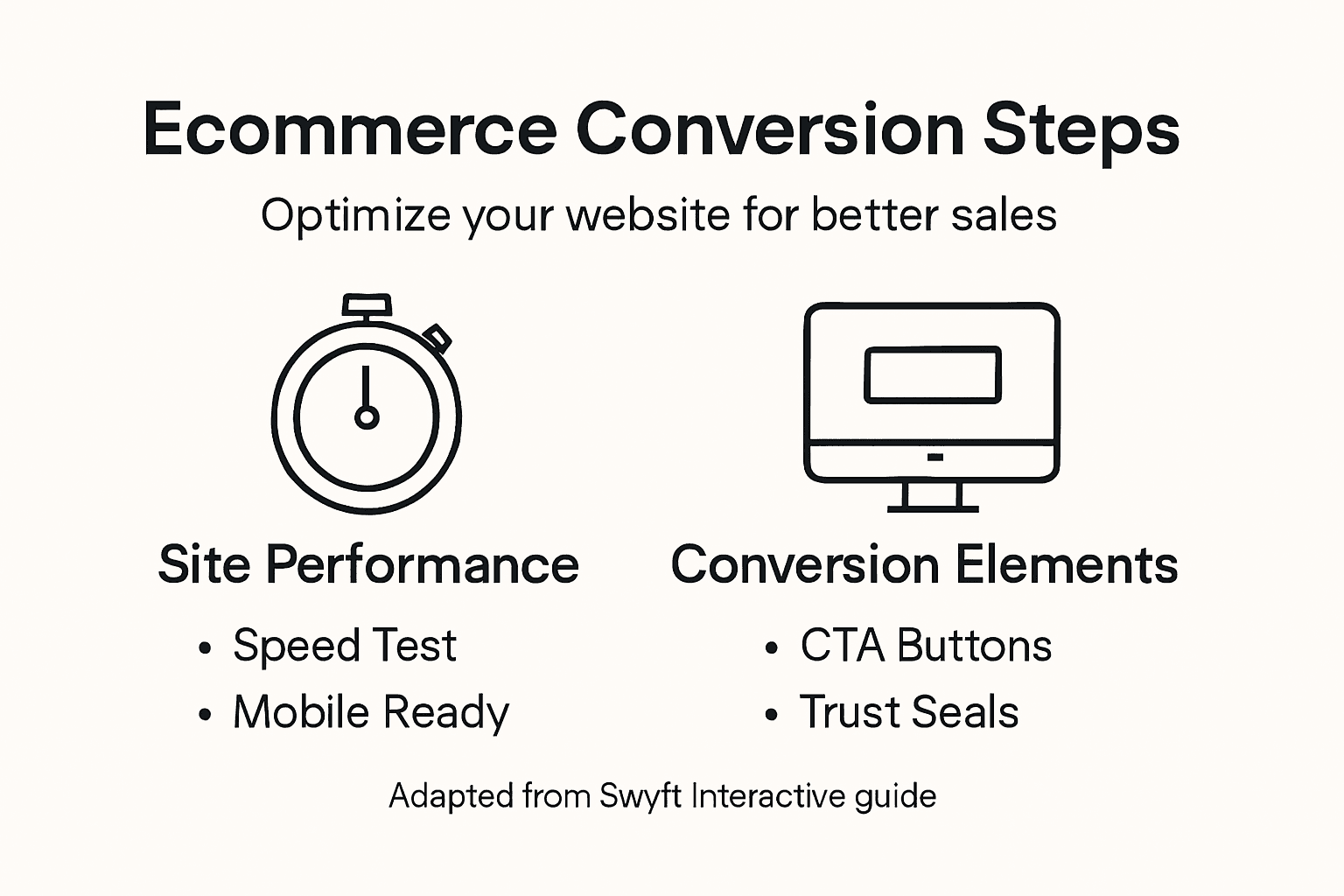
The table below compares automated email flows and their primary business benefits:
| Email Flow Type | Customer Touchpoint | Business Benefit |
|---|---|---|
| Welcome Series | First sign-up | Builds strong brand impression |
| Abandoned Cart Reminders | Checkout interruption | Recovers lost sales opportunities |
| Post-Purchase Follow-ups | After payment | Increases repeat purchases |
| Browse Abandonment | Product view, no action | Re-engages interested users |
| Winback Campaigns | Inactive customers | Revives lapsed buyers |
Effective email automation transforms transactional interactions into meaningful customer relationships.
Continuously monitor and optimize your email flows by tracking key metrics like open rates, click-through rates, and conversion percentages. Regularly update your segmentation strategy to ensure your automated emails remain dynamic and responsive to changing customer behaviors.
Pro tip: Create distinct email flows for different customer segments to maximize personalization and engagement potential.
Step 5: Test and Analyze Optimization Results
Validating the effectiveness of your website optimization efforts requires a systematic approach to measuring and interpreting performance data. By implementing rigorous testing methodologies, you can transform raw metrics into actionable insights that drive continuous improvement.
Web analytics and A/B testing methods provide a structured framework for evaluating optimization strategies. Critical testing components include:
- Quantitative Performance Metrics: Conversion rates, bounce rates, average session duration
- Statistical Significance: Ensure results are not random variations
- Comparative Analysis: Compare current performance against baseline measurements
- User Behavior Tracking: Heat maps, click-through rates, scroll depth
- Segmentation Analysis: Performance across different user demographics
Utilize tools like Google Analytics, Optimizely, and specialized ecommerce analytics platforms to gather comprehensive data. Focus on interpreting results beyond surface-level numbers, looking for deeper patterns in user behavior and interaction.
True optimization is a continuous cycle of testing, learning, and iterative improvement.
Establish a consistent testing schedule, typically running experiments for 2-4 weeks to ensure sufficient data collection. Compare multiple variations simultaneously and be prepared to make data-driven adjustments to your website design and functionality.
Pro tip: Always test one variable at a time to accurately identify which specific changes drive performance improvements.
Unlock Higher Conversions With Expert Ecommerce Strategies
Optimizing your ecommerce website for higher conversions requires more than just quick fixes. The article highlights key challenges such as improving website loading speed, creating seamless user journeys, and implementing targeted conversion elements like clear CTAs and social proof. These pain points directly affect your ability to reduce bounce rates and increase sales. To stay ahead, you need a comprehensive approach that combines fast, high-performing website design with sophisticated Klaviyo email automation tailored to your customer behavior.
At Swyft Interactive, we specialize in solving these exact challenges. Our solutions focus on building scalable ecommerce websites optimized for speed and user experience while integrating powerful automated email flows that nurture leads and recover lost sales. Explore actionable insights and proven strategies in our Digital Strategy Archives – Swyft Interactive or dive deeper into email automation with our Email Marketing Archives – Swyft Interactive.
Take control of your ecommerce growth today. Visit Swyft Interactive to learn how we can transform your online store into a high-converting sales engine with measurable results that keep your business thriving.
Frequently Asked Questions
How can I assess the current performance of my ecommerce website?
To assess your ecommerce website’s performance, start by measuring key metrics such as website load time, page size, response time, and user navigation patterns. Gather data using web analytics tools to understand where potential improvements can be made, focusing on user experience and revenue impact.
What steps can I take to improve my website’s loading speed?
Improving website loading speed involves optimizing images, minimizing HTTP requests, and enabling browser caching. Take immediate action by using image compression techniques and consolidating CSS and JavaScript files to enhance your site’s performance.
How should I implement targeted conversion elements on my website?
To implement targeted conversion elements, focus on placing clear call-to-action buttons, social proof, and simplified checkout processes throughout your site. Review user behavior to identify key points of hesitation and place these elements strategically to guide users toward making a purchase.
What automated email flows should I set up for better customer engagement?
Setting up automated email flows such as welcome series, abandoned cart reminders, and post-purchase follow-ups can significantly enhance customer engagement. Begin by creating a welcome series that introduces new subscribers to your brand, which can build lasting relationships and drive repeat sales.
How can I test the effectiveness of my website optimization strategies?
To test the effectiveness of your optimization strategies, conduct A/B tests to compare different variations of your website elements while monitoring key performance metrics like conversion rates and bounce rates. Run these tests for a minimum of 2-4 weeks to gather sufficient data and ensure accurate results.