

Every American brand manager has faced the challenge of turning website visitors into loyal customers. The immense growth potential in the US e-commerce market, with projected revenue hitting $1.8 trillion by 2029, means competition is fierce and strategy matters more than ever. By blending Klaviyo-powered personalization, full-funnel website development, and data-driven marketing, you can create connected experiences that drive conversions and long-term success.
Table of Contents
- Defining Ecommerce Growth Strategy Essentials
- Effective Website Development For Higher Conversions
- Klaviyo Email Automation And Customer Segmentation
- Full-Funnel Approaches: Paid Ads And Analytics
- Post-Purchase Growth Features: Loyalty Programs
- Common Pitfalls In Ecommerce Growth Execution
Key Takeaways
| Point | Details |
|---|---|
| Ecommerce Growth Strategy | A comprehensive approach is essential for systematically expanding online revenue through customer acquisition, optimization, and retention. |
| Website Optimization | High-converting websites require strategic design elements that enhance user experience and minimize abandonment. |
| Email Automation | Effective customer segmentation in email campaigns leads to higher engagement and conversion rates through personalized communication. |
| Avoiding Pitfalls | Understanding common challenges in ecommerce execution can help brands develop sustainable strategies for growth. |
Defining Ecommerce Growth Strategy Essentials
Ecommerce growth strategy represents a comprehensive approach to systematically expanding online revenue through targeted digital marketing, website optimization, and customer experience enhancement. With the global e-commerce market projected to reach $83.26 trillion by 2030, understanding strategic fundamentals has never been more critical for digital brands.
A robust ecommerce growth strategy encompasses multiple interconnected components that work synergistically to drive performance. These essential elements include:
- Customer Acquisition: Developing targeted marketing approaches to attract high-value prospects
- Conversion Optimization: Implementing website design and user experience improvements
- Retention Marketing: Creating personalized engagement strategies to encourage repeat purchases
- Data-Driven Decision Making: Utilizing analytics to inform strategic pivots and refinements
Successful strategies recognize that modern ecommerce is not about isolated tactics, but integrated systems. The US ecommerce market’s anticipated $1.8 trillion revenue by 2029 underscores the immense potential for brands willing to invest strategically.
Here’s a summary of how key ecommerce growth elements contribute to long-term business success:
| Growth Element | Main Objective | Strategic Business Value |
|---|---|---|
| Customer Acquisition | Attract new, high-quality buyers | Expands audience and revenue potential |
| Conversion Optimization | Increase website purchase rate | Improves marketing ROI and efficiency |
| Retention Marketing | Drive repeat purchases | Builds customer lifetime value |
| Data-Driven Decisions | Inform strategy with real analytics | Enables agile, high-impact adaptations |
Modern ecommerce growth requires a holistic approach that blends technological infrastructure, marketing intelligence, and customer-centric design. Brands must continuously evolve their strategies, leveraging emerging technologies like AI-powered personalization, advanced analytics, and seamless omnichannel experiences.
Pro tip: Conduct quarterly strategic reviews to assess your ecommerce performance across acquisition, conversion, and retention metrics, ensuring continuous improvement and adaptability.
Effective Website Development for Higher Conversions
Successful ecommerce websites demand strategic design that transforms casual visitors into committed customers. Optimizing websites for conversions requires a comprehensive approach that blends user experience, visual design, and strategic functionality.
Key elements of high-converting website development include:
- User Interface Design: Creating intuitive, clean layouts that guide visitors naturally
- Mobile Responsiveness: Ensuring seamless experience across all device types
- Page Load Speed: Minimizing wait times to prevent user abandonment
- Clear Navigation: Developing straightforward menu structures
- Compelling Visual Hierarchy: Strategically positioning critical information and calls-to-action
Website performance metrics go beyond aesthetic appeal. Smart brands understand that every design element must serve a specific conversion purpose. This means implementing data-driven strategies like A/B testing, personalized content experiences, and strategically placed conversion triggers that encourage user action.
Technical optimization plays a crucial role in driving conversions. Brands must invest in responsive design, intuitive user interfaces, and streamlined checkout processes that remove friction and simplify the customer journey. Integration of smart forms, strategic SEO practices, and personalized content recommendations can significantly enhance user engagement and conversion potential.

Pro tip: Conduct monthly user experience audits to identify and eliminate potential conversion barriers, using heatmap tools and user behavior analytics to inform design improvements.
Klaviyo Email Automation and Customer Segmentation
Klaviyo email automation transforms how ecommerce brands engage with their audience by delivering personalized, targeted communication that drives meaningful customer interactions. Behavioral segmentation in email campaigns has demonstrated significant improvements in marketing performance metrics, making it a critical strategy for modern digital businesses.
Effective customer segmentation in Klaviyo involves several key strategies:
- Purchase History Segmentation: Categorizing customers based on buying patterns
- Engagement Level Tracking: Identifying active versus inactive subscribers
- Demographic Targeting: Personalizing content by age, location, and preferences
- Behavioral Trigger Automation: Creating dynamic email flows based on specific customer actions
- Predictive Segmentation: Using machine learning to anticipate customer needs
Successful email automation requires a nuanced approach that goes beyond simple list management. Sophisticated brands leverage Klaviyo’s advanced segmentation capabilities to create highly targeted communication streams that speak directly to individual customer motivations and preferences.
The power of Klaviyo lies in its ability to transform raw customer data into actionable marketing insights. By implementing intelligent segmentation strategies, brands can create personalized experiences that dramatically improve email open rates, click-through rates, and ultimately, conversion potential. This means developing dynamic email flows that adapt to individual customer journeys and respond to specific behavioral triggers.
Pro tip: Create at least five distinct customer segments with unique trigger-based email workflows to maximize personalization and engagement potential.
Full-Funnel Approaches: Paid Ads and Analytics
A comprehensive full-funnel paid advertising strategy transforms digital marketing from scattered efforts into a synchronized customer acquisition engine. Building a full-funnel paid advertising strategy requires a nuanced approach that guides potential customers through multiple stages of engagement.
Key components of an effective full-funnel paid advertising approach include:
- Awareness Stage: Creating broad reach campaigns targeting potential customers
- Consideration Stage: Developing targeted content to nurture interested prospects
- Conversion Stage: Implementing precise retargeting and direct response campaigns
- Retention Stage: Designing loyalty and repeat purchase focused advertising
- Analytics Integration: Tracking performance across each funnel stage
Successful full-funnel strategies demand sophisticated tracking and measurement capabilities. Brands must develop detailed buyer personas and implement granular targeting techniques that allow for precise communication at each stage of the customer journey. This means creating adaptive campaigns that respond dynamically to user behaviors and engagement levels.
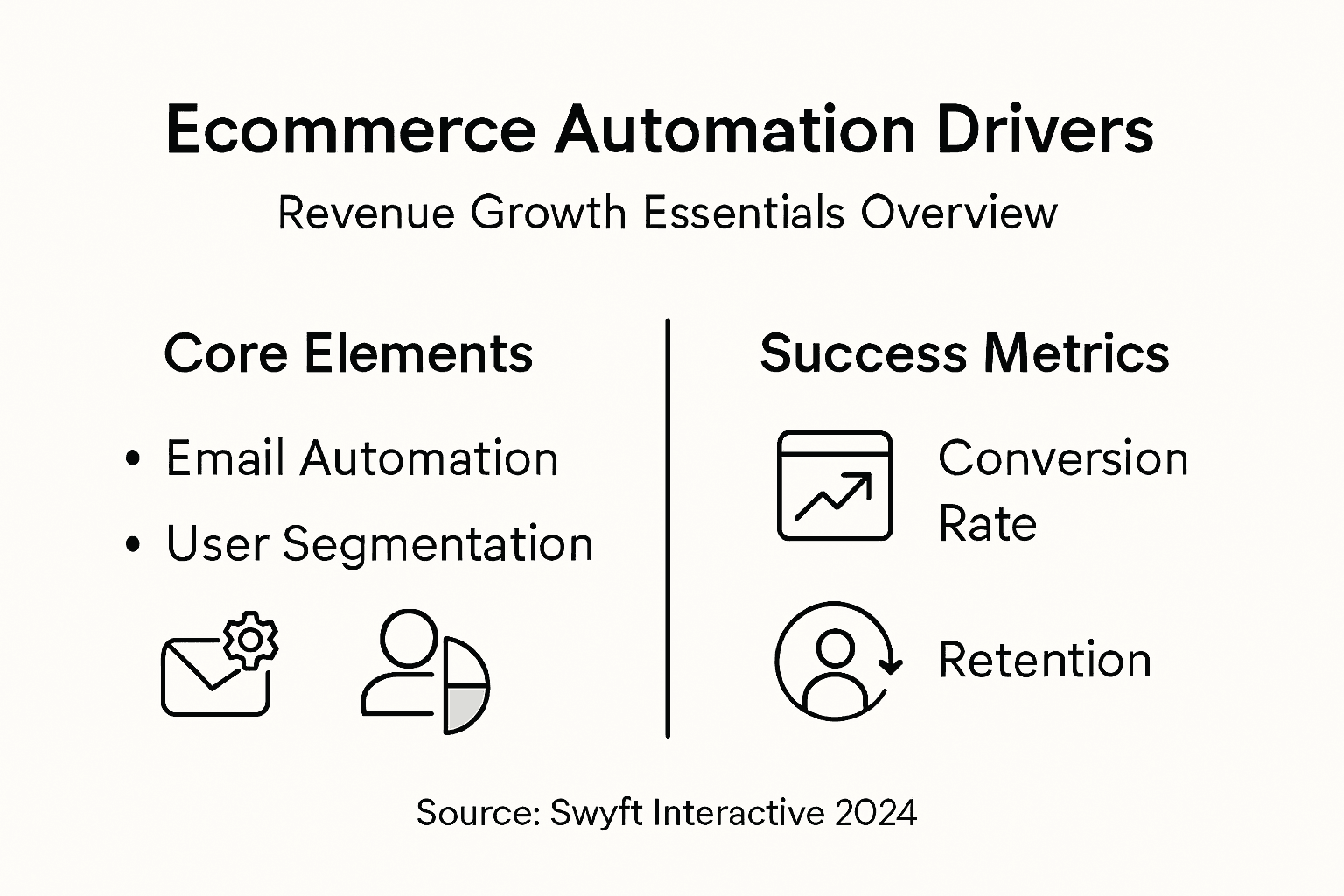
The most effective paid media approaches combine brand building with performance marketing, utilizing multiple channels to create a cohesive customer experience. Google Ads, social media platforms, and display networks become interconnected tools for nurturing customer relationships, with each touchpoint carefully designed to move prospects closer to conversion.
Pro tip: Develop a comprehensive measurement framework that tracks key performance indicators across each funnel stage, enabling real-time optimization of your paid advertising strategy.
Post-Purchase Growth Features: Loyalty Programs
Loyalty programs represent a strategic approach to transforming one-time customers into long-term brand advocates. Brand loyalty trends in the US reveal that 72% of consumers are willing to pay premium prices for preferred brands, underscoring the immense potential of well-designed loyalty initiatives.
Effective loyalty programs typically incorporate multiple engagement strategies:
- Point-Based Rewards: Enabling customers to accumulate and redeem points
- Tiered Membership Levels: Creating exclusive experiences for most valuable customers
- Personalized Recommendations: Tailoring rewards to individual purchase histories
- Experiential Benefits: Offering unique experiences beyond monetary discounts
- Community Building: Developing interactive platforms for brand interaction
Successful loyalty programs go beyond simple transactional relationships. They create emotional connections by offering meaningful value that extends past traditional discount models. This means developing sophisticated reward structures that recognize customer preferences, purchase patterns, and individual engagement levels.
Modern loyalty strategies must balance complexity with accessibility, ensuring that program participation feels intuitive and genuinely rewarding. Brands need to continuously evolve their approaches, using advanced analytics to understand customer motivations and design increasingly personalized engagement mechanisms.
The table below contrasts effective loyalty program types and the unique advantages they offer to ecommerce brands:
| Program Type | Key Features | Brand Advantage |
|---|---|---|
| Point-Based | Earn and redeem on purchases | Increases repeat order frequency |
| Tiered Membership | Status levels, exclusive perks | Rewards high-value customers |
| Experiential | Access to events or services | Fosters deeper brand connection |
| Personalized | Individualized offers/rewards | Boosts engagement and relevance |
Pro tip: Implement a dynamic loyalty program that adapts rewards based on individual customer behaviors, creating a more personalized and engaging experience.
Common Pitfalls in Ecommerce Growth Execution
Ecommerce growth strategies can quickly derail when businesses fail to recognize critical operational challenges. E-commerce businesses frequently encounter significant obstacles that can dramatically impact their ability to scale and succeed in an increasingly competitive digital marketplace.
The most common pitfalls in ecommerce growth execution include:
- Insufficient Market Research: Failing to deeply understand target customer demographics
- Poor Website User Experience: Creating complex, non-intuitive navigation and checkout processes
- Ineffective Digital Marketing: Lacking strategic, targeted advertising approaches
- Inventory Management Challenges: Struggling with stock availability and supply chain complexity
- Customer Experience Inconsistencies: Neglecting post-purchase support and engagement
Successful ecommerce brands recognize that growth is not just about attracting customers, but creating sustainable, repeatable processes that transform initial interest into long-term loyalty. This requires a holistic approach that addresses technical infrastructure, marketing strategy, and customer relationship management simultaneously.
Technical and strategic alignment becomes crucial in overcoming growth barriers. Brands must invest in robust analytics, flexible technology platforms, and adaptive marketing strategies that can respond quickly to changing market dynamics and customer preferences. This means continuously refining website performance, marketing messaging, and operational capabilities to maintain competitive advantage.
Pro tip: Conduct quarterly comprehensive audits of your entire ecommerce ecosystem, identifying potential friction points and developing targeted strategies to address emerging challenges.
Unlock Your Ecommerce Potential with Expert Growth Solutions
Struggling to convert visitors into loyal customers or feeling overwhelmed by the complexity of Klaviyo automation and full-funnel paid advertising? This article highlights key challenges like optimizing website performance, leveraging data-driven email segmentation, and building sustainable loyalty programs that drive long-term revenue growth. If your goal is to streamline these vital ecommerce growth strategies and create an efficient, automated engine for sales, then expert guidance is essential.
At Swyft Interactive, we specialize in crafting high-converting ecommerce websites paired with sophisticated email marketing automation using Klaviyo. Our proven approach integrates seamless website development, personalized email campaigns, and full-funnel digital strategies designed to enhance customer acquisition, retention, and post-purchase engagement. Discover actionable insights and real results by exploring our Digital Strategy Archives, deep dive into smart email automation with the You Suck At Klaviyo Archives, and learn more about how targeted communication drives conversions in our Email Marketing Archives.
Don’t settle for slow or confusing ecommerce growth. Take control today by partnering with a team that understands how to automate and optimize every stage of your online sales funnel. Visit Swyft Interactive now to build a scalable and efficient ecommerce presence that delivers measurable revenue gains.
Frequently Asked Questions
What are the key components of an ecommerce growth strategy?
A successful ecommerce growth strategy includes customer acquisition, conversion optimization, retention marketing, and data-driven decision-making to systematically enhance revenue.
How can I optimize my website for higher conversions?
Optimizing your website involves improving user interface design, ensuring mobile responsiveness, minimizing page load speed, and creating clear navigation pathways to enhance user experience and increase conversions.
What role does email automation play in ecommerce growth?
Email automation, particularly through platforms like Klaviyo, enables personalized communication and targeted segmentation, improving customer engagement and increasing conversion rates significantly.
What common pitfalls should be avoided in ecommerce growth execution?
Common pitfalls include insufficient market research, poor website user experience, ineffective digital marketing, inventory management challenges, and inconsistencies in customer experience, all of which can hinder growth and success.